Malta Challenge: Urban Heat Mitigation
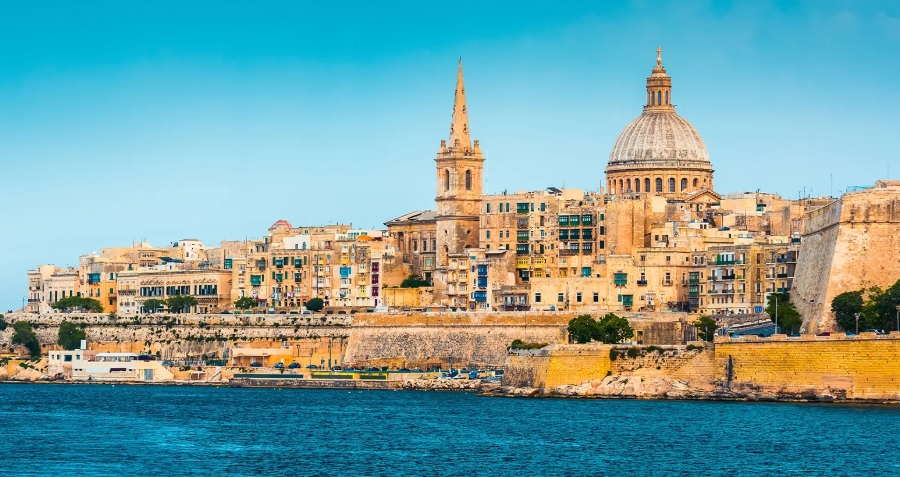
Malta, April 16, 2026 / TRAVELINDEX / Malta is one of the smallest and most densely populated states in the European Union. As of 2024, its estimated population is 563,443, resulting in a density of approximately 1.7 inhabitants per-km².
Malta’s tourism revenue growth is one of the highest among southern Mediterranean destinations. In 2024, it received 3.56 million visitors, up 20% over the previous year.
One of the current issues Malta faces is the lack of natural shade in its urban and tourist areas. As temperatures continue to rise across the Mediterranean region and globally, this shortage not only exacerbates the effects of high temperatures and heatwaves but also directly impacts the quality of life for residents and the experience of visitors.
This situation is due to several factors:
- Climate and soil: Malta has a Mediterranean climate with hot, dry summers. Combined with its limestone-based soil and limited availability of freshwater, this makes it difficult for trees and dense vegetation to thrive.
- History of deforestation: Human activity has led to widespread deforestation for various purposes, resulting in the near-total absence of natural forests today.
- High population density and urbanization: Intense urban development and high population density have limited the available space for green areas and tree planting.
This lack of shade contributes to the urban heat island effect, affecting residents’ quality of life and the experience of tourists, especially during the hottest months, and increasing the need for climate-resilient urban solutions.
To address this issue, innovative green technology (green tech) solutions are being considered, such as the implementation of green infrastructure, living roofs, and green corridors that can provide shade and improve thermal comfort and support local efforts to adapt urban spaces to increasing heat in urban areas.
The limitations of soil fertility hinder the planting of traditional trees and vegetation, demanding new solutions adapted to the local context.
Innovation Opportunity
In this environment, green innovation emerges as a key tool to help cities adapt to rising temperatures while enhancing the liveability of public spaces. This challenge aims to identify sustainable technological solutions that provide shade through green infrastructure, innovative materials, smart urban design, or bioinspired technologies. The goal is to enhance the liability of public spaces, promote high-quality tourism, and strengthen community well-being.
Challenge Objectives
- Mitigate urban heat and strengthen climate resilience: Promote innovative solutions that improve thermal comfort through green structures, living roofs, green corridors, or smart shading technologies.
- Improve the Tourist Experience: Increase the time spent and enjoyment of tourists in open spaces by creating more comfortable, cooler, and visually appealing environments.
- Enhance Residents’ Quality of Life: Reduce the impact of extreme heat in urban and recreational areas, improving public health and community interaction.
- Promote the Green Economy: Stimulate entrepreneurship in green technologies, sustainable architecture, urban agriculture, and climate-adapted infrastructure solutions.
Collaboration Activities
- Challenge Launch: National and international announcement of an open call for innovative companies, scaleups and startups (with an existing product or a pilot project) with proposals for Malta.
- Bootcamp (Optional: online or physical) Selected participants will take part in an intensive training process (bootcamp) with experts in sustainable architecture, urban design, climate technology, and regenerative tourism.
- Final Presentation Event: Presentation of solutions before a panel composed of Maltese government representatives, tourism agencies, investors, and strategic partners.
- Awards and Implementation: Winning projects will receive national visibility, and institutional support to scale up their solutions.
- Pilot Project: Implementation of pilot initiatives in key areas (squares, bus stops, tourist zones) with technical and community monitoring.
Impact
- Positioning Malta as an innovative reference in urban heat reduction.
- Reduction of the urban heat island effect.
- Increased thermal and visual comfort in urban spaces.
- Higher satisfaction among tourists and residents.
- Promotion of local and international green innovation.
- Strengthened climate resilience of urban spaces to rising temperatures and heatwaves.
Timeline
- March 2026 (Launch of Call for Applications)
- March 2026 -April 2026 (Promotion and Outreach)
- 17th April 2026 (Application Submission Deadline)
- End of April 2026 (Initial Screening)
- End of April 2026 (Announcement of Shortlisted Startups)
Target stakeholders, startups, scaleups y MSMEs and innovators
Stakeholders, startups, scaleups y MSMEs and innovators from all over the world and all economic sectors are invited to participate if meeting the following criteria:
- Be innovative in nature providing value-added solutions
- Be sustainability-driven
- Be scalable: to have potential for international growth and potential to be applied in corporations and destinations (countries, regions)
- Be an Early Stage or Series A startup
- Introduction or adoption of digital and technological elements
- Have a tested pilot and business plan
- Have been accelerated before
- Have a full-time team. Gender balance will be also considered.
All ways of innovation are welcome: technology, social impact and sustainability solutions.
Participant Benefits
- Present their solution at Tourism Tech Adventures
- Participate in the Bootcamp
- Global visibility for their project and connection with investors
- Support in launching a pilot project in collaboration with local authorities
- Become part of the UN Tourism Innovation Network
- Access scholarships from the UN Tourism Online Academy